Fair Fight for Change

Welcome
PAIRS Essentials offers a new framework for the relationship journey and practical, usable skills for successful relationships. (Curriculum Guide pages 11-35)

Three Hopes, Three Fears
Couples may unknowingly bring secret hopes and fears to their closest relationships. Although we enter love relationships with hopes, fears can follow in the shadows. These fears can come from the part of us whose job it is to look out for danger and protect us from it. It's as if we have an invisible radar that is not fine-tuned. So anything that is similar to what upset or hurt us in the past will be recognized as though the danger is happening again. (Curriculum Guide pages 42-45)
Levels of Learning
Past upsetting, hurtful, painful relationship events are more likely connected to unconscious incompetence than bad intentions. Developing new behaviors/habits requires recognizing the desired change, making the change, and sustaining the change under stress. (Curriculum Guide pages 38-39)

Stages of Relationship
Relationships typically go through four predictable stages. Recognizing the impact of our behaviors during times of disappointment brings new possibilities to create long-lasting accepting, loving relationships. (Curriculum Guide pages 40-41)

Relationship Road Map
Framework for the PAIRS journey based on biological needs and how we tend to experience life when our needs are not met. (Curriculum Guide pages 46-49)

Communication Stress Styles
Recognize styles of communication in ourselves and in others that keep us disconnected when we are under stress and become aware of impact on bonding of masking thoughts and feelings. (Curriculum Guide pages 50-59)

Session Three Review
A brief review of PAIRS Essentials Session Three.
Love Knots
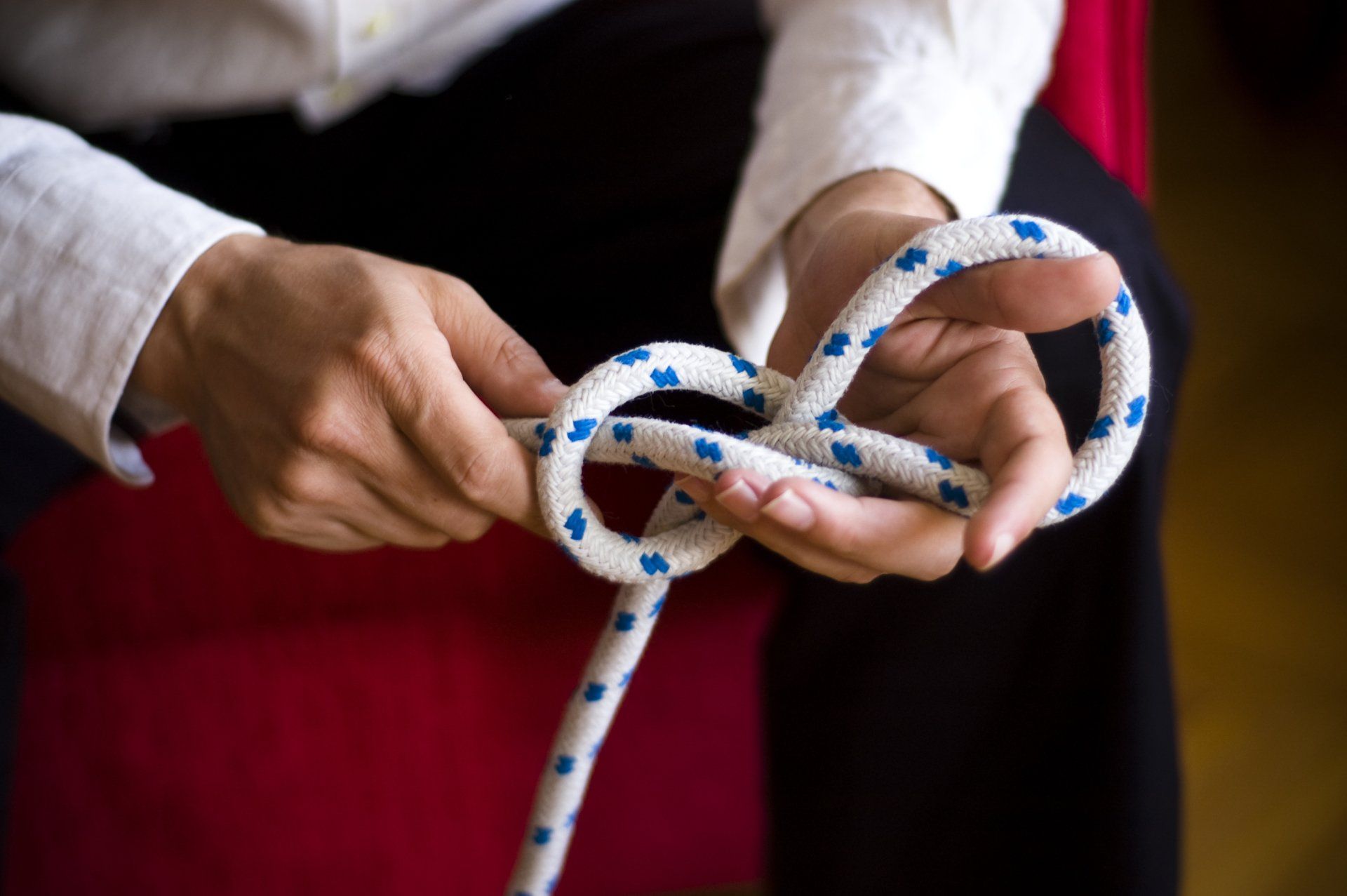
Love Knots are hidden negative beliefs and expectations that can make it hard to feel close to our partners. This segment helps participants identify their own Love Knots so that they can do a better job of connecting and confiding with their partners. (Curriculum Guide pages 102-112)

Talking Tips
Differences are a natural aspect to every close relationship. Talking Tips provides a structured skill for confiding that helps identify and reflect on key dimensions of a specific behavioral concern and unambiguous change request without blaming, judging, or criticizing. (Curriculum Guide pages 66-71)

Emotional Stages
An Adult’s emotional behavior in varied circumstances will often have as much, and often even greater impact, on what happens in a relationship than core issues. Emotional stages is an opportunity to distinguish attitudes that can interfere with constructive problem solving from those that promote mutual respect. (Curriculum Guide pages 78-83)

Emotional Allergies
Similar to physical allergies, individuals can have intense emotional responses unique to their personal life experiences, perceptions and decisions. PAIRS calls these "emotional allergies," and they are often the source of enormous pain in our closest relationships. PAIRS teaches couples to transform upsetting experiences into greater closeness, understanding, and healing. (Curriculum Guide pages 113-129)

Fair Fight for Change
Structured tool to talk about difficult problems in relationships so that both partners can express their needs and wants in a way that is safe and helps people listen to each other. (Curriculum Guide pages 90-101)

PAIRS Essentials Tool Kit
PAIRS Essentials Tool Kit brings together the many practical, usable skills participants discover in PAIRS training. (Curriculum Guide pages 129-137)
Watch 33 Minute Excerpt